
New funding opportunity for agricultural automation and robotics
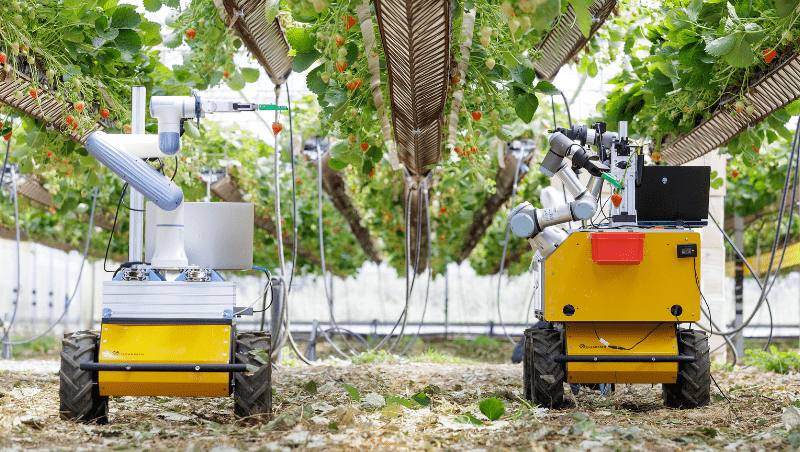
UK agricultural engineers involved in robotics, automation, sensing and intelligent machinery have a significant new funding opportunity through the Farming Futures R&D Fund: Automation and Robotics Round 2.
Defra, working with Innovate UK, is making up to £20 million available for collaborative industrial research projects developing ambitious automation and robotics solutions for agriculture, horticulture and forestry. Projects must have total eligible costs of between £500,000 and £2.5 million and run for 12 to 36 months, with projects starting by 1 March 2027. Applications close at 11am on 30 September 2026.
For agricultural engineers, the scope is particularly relevant. Funding can support robotic and intelligent automated machines, mobile or static systems, imaging and sensing technologies, data-driven management systems, automated actions, on-farm storage and energy management, and post-harvest automation. The technologies must address genuine industry challenges and deliver improvements in productivity, sustainability, environmental performance, progress towards net zero or longer-term resilience.
The opportunity covers a broad range of production systems, including broadacre crops such as cereals, roots, grassland and forage, as well as horticulture, fruit, orchards, vineyards, protected and controlled-environment cropping. It also includes farmed livestock and selected forestry applications, particularly tree nurseries, planting, woodland monitoring and management. Forestry harvesting and associated heavy equipment are specifically excluded.
Projects must be collaborative, with a UK-registered business leading and at least one other eligible UK organisation involved. Partners can include farmers, growers and foresters, businesses, universities, research and technology organisations, charities and public-sector bodies. No single organisation can account for more than 70% of eligible project costs.
Importantly, proposals must demonstrate a clear benefit to farmers, growers or foresters in England. Applicants will also need to demonstrate environmental and societal benefits, establish measurable sustainability outcomes and show how the innovation will be disseminated to the wider industry.
For engineers, the competition could therefore provide an opportunity to move promising technologies beyond the prototype stage while bringing manufacturers, researchers and end users together around clearly defined agricultural problems. Potential areas include autonomous field machinery, robotic weeding, intelligent crop monitoring, machine vision, precision application, automated harvesting and systems that reduce dependence on seasonal labour.
The competition has an indicative success rate of around 35%, underlining the importance of developing a strong, industry-led proposal with clearly demonstrated technical innovation, commercial potential and measurable benefits.


