
Growers unaware of crushing ‘Dynamic Alignment’ impact
Many UK farmers remain unaware that fundamental changes to crop protection regulation are under way, with potentially far-reaching consequences for arable systems as soon as next year.
‘Dynamic Alignment’ with the European Union is part of the new Sanitary and Phytosanitary Agreement (SPS) with Britain intended to facilitate frictionless trade across the Channel.
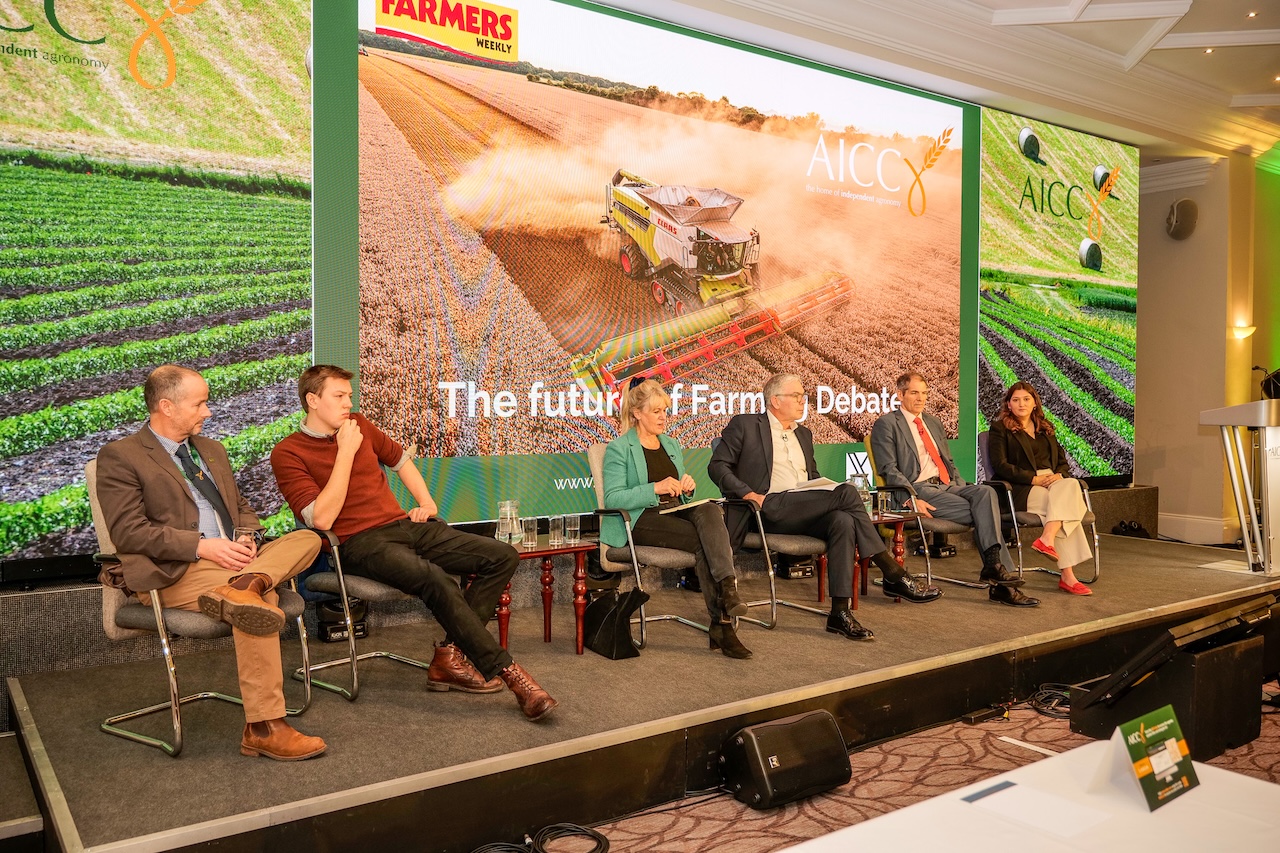
The deal was a key talking point in a packed Question Time session at the recent Association of Independent Crop Consultants (AICC) conference, where panellists warned the policy could reshape UK agriculture sooner than people think.
Audience member Luke Cotton, an Oxfordshire-based independent agronomist, told the session that the scale of the change had not been properly understood on farms.
“This is a massive threat to the industry, and another blow is coming farmers’ way. Most don’t realise it’s happening, and that is the most worrying part.”
Rule taker
Dynamic Alignment means the UK committing to keep its plant and animal health rules aligned with evolving EU legislation, despite no longer having a vote in how the rules are set.
Jenny Brunton, senior European policy advisor at the British Agriculture Bureau (BAB), who represents the UK’s farming unions in Brussels, said the process had effectively begun last year following the UK–EU “common understanding” agreement.
“This is not about whether it happens,” she told delegates. “It is happening. What is being negotiated now is the timeline and whether there are any exemptions.”
She added that it would be unrealistic to expect special treatment from Brussels, particularly after years of strained trust following Brexit.
“The EU are tough negotiators. We know that. The idea that the UK will be given flexibility simply because we ask for it is naïve.”
No vote, just influence
A recurring concern was the UK’s lack of a formal vote in EU decision-making under ‘Dynamic Alignment’ arrangement and panellists stressed that influence would need to come earlier in the process.
Before Brexit, the UK assessed around 40% of EU pesticide active substances and was widely respected for its science-based regulatory approach.
Regaining a role as a rapporteur state, assessing substances and feeding evidence into EU discussions, is seen as critical.
“We will not have a vote, so we have to work the system differently,” Jenny said.
“That means being credible, science-led and having the right people in the room, building alliances, particularly with countries like Ireland.”
Agronomy implications
From a technical perspective, consultants warned that it could have profound implications for crop protection, weed control and rotations.
Speaking on behalf of members, AICC Chairman Andrew Blazey said the policy had been poorly communicated and that most growers had little idea how quickly changes could bite.
“Crops in the ground now could potentially be affected,” he said. “The boat has already sailed, but farmers were never properly told.”
He highlighted concerns over active substances approved in the UK, but either not yet approved, under threat or rejected by the EU.
Products such as flufenacet, a cornerstone of grassweed control, are facing scrutiny in Europe, while newer actives approved post-Brexit could also be at risk as early as 2027.
These include BASF’s cinmethylin, a relatively new and more effective grassweed herbicide in cereals, and Syngenta’s latest cereal fungicide pydiflumetofen, which is a top performer against number one wheat disease Septoria.
“Against grassweeds, if we lose those last one or two percent of chemical control, the cost to the industry could run into hundreds of millions of pounds,” he warned.
These regulatory pressures also risk clashing with wider policy goals, including reduced cultivation, cover cropping and environmental delivery, particularly if further restrictions on glyphosate emerge.
Farmers need clarity, fast
As the debate closed, delegates agreed that the immediate problem was awareness.
“Farmers do not realise what is coming,” Mr Cotton said. “That is why this is so depressing. If people do not understand the scale of the change, they cannot prepare for it.”
The challenge for policymakers is to explain clearly what Dynamic Alignment means in practice, how quickly it may take effect, and what it could mean for the future of UK crop production.
Without clarity, growers risk being caught off guard by regulatory change that fundamentally reshapes how they farm.
Related news:
European Industrial Footprint Expands with Acquisition in the Farm Machinery Sector


