Comment – Stop planning for the average year – it no longer exists
Seven years of rainfall records don’t prove climate change. Scientists rightly point to 30-year datasets when assessing long-term trends. But for farmers, the challenge isn’t proving climate change—it’s managing its consequences.
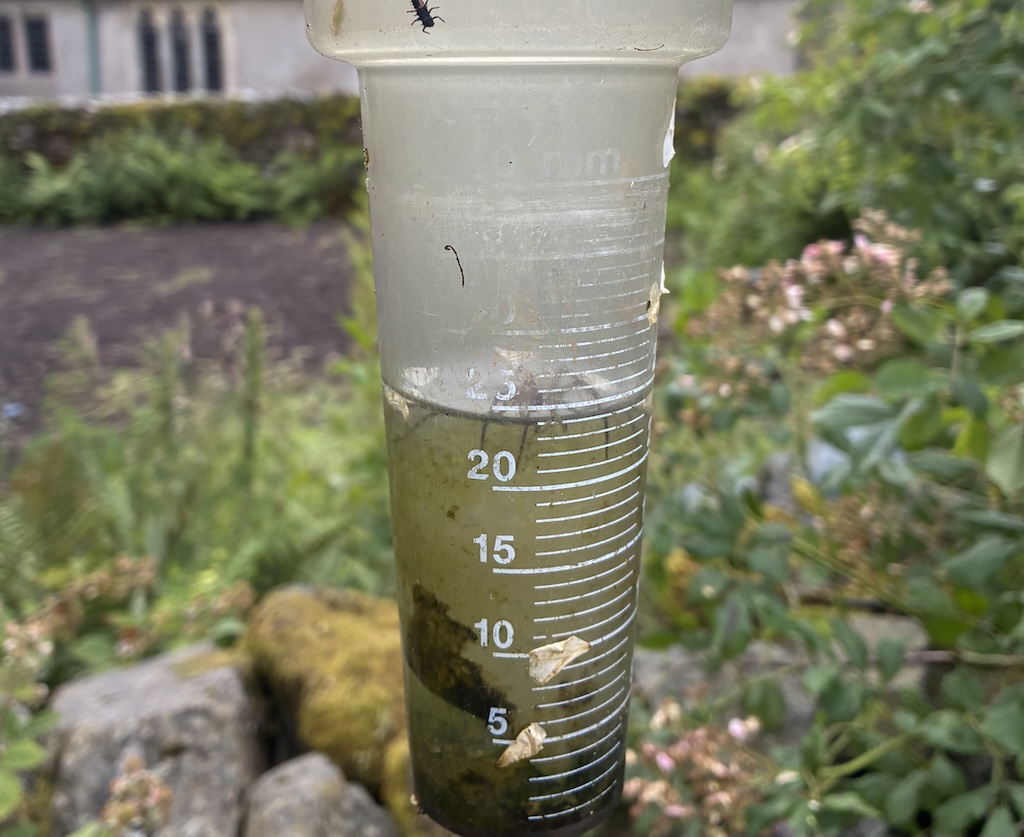
My own June rainfall records tell an interesting story via the wheelbarrow. Over the past seven years, the average June rainfall has been 127mm, but that figure hides a far more important reality. June rainfall has ranged from just 40mm in 2021 to more than 200mm in both 2020 and 2025.
The average is almost meaningless.
What matters is the growing unpredictability. One year we’re praying for rain to keep crops alive. The next we’re watching combines sink into headlands or wondering when we’ll get a fungicide applied.
For machinery manufacturers, this changing pattern presents both a challenge and an opportunity. Equipment designed for a narrow operating window is becoming harder to justify. Instead, growers increasingly need machines capable of working whenever conditions allow, whether that’s lighter drills that travel earlier, sprayers with wider weather windows, or cultivation equipment that minimises soil damage when the weather turns against us.
The same applies to precision farming. Variable-rate technology, AI crop sensors and automated guidance are no longer simply about reducing inputs; they’re becoming tools for managing risk in increasingly unpredictable seasons.
Resilience has become just as important as outright output.
Perhaps the biggest lesson from recent seasons is that farmers should stop planning around the “average” year. It simply doesn’t exist anymore. Instead, businesses need machinery, cropping systems and management strategies that can cope with the extremes at both ends of the spectrum.
Because if there’s one thing modern weather seems reluctant to be, it’s average.
Except if you are playing football in the Azteca Stadium tonight. Good luck lads.
Have a good week all.
Andy