
Manufacturing overhaul will close two US plants
John Deere is to close two manufacturing facilities in Iowa and transfer production of several machinery lines to other US plants and Brazil, as part of a major restructuring of its global manufacturing footprint.
The changes, announced on 4 November, are intended to align production capacity with customer demand, improve manufacturing efficiency and strengthen the company’s long-term competitiveness. However, they will also have significant implications for employees and the communities surrounding the affected factories.
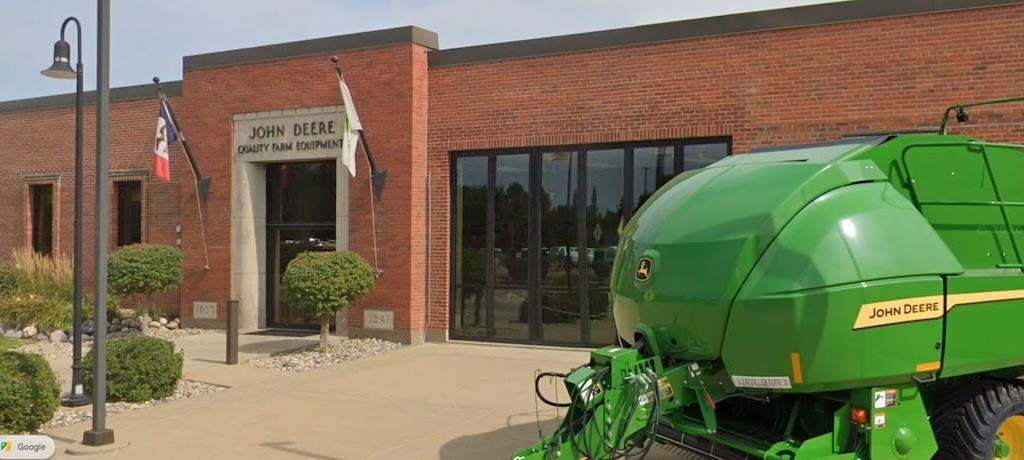
The most immediate changes concern the Ottumwa and Clarion facilities in Iowa, both of which are scheduled to cease manufacturing operations over the next three years.
Windrower production will move from Ottumwa Works to Deere’s Des Moines Works facility by the end of its 2027 financial year, with round baler production following by the end of FY2028. The Ottumwa factory will then close.
Meanwhile, production of Hagie STS self-propelled sprayers will transfer from Clarion to Deere’s Thibodaux facility in Louisiana, beginning in FY2028. Manufacturing at Clarion is expected to end by FY2029.
The employment implications remain subject to production volumes and future staffing requirements. Deere has told industry publication DTN that around 300 positions would be affected by the Iowa changes at normal production levels. The company currently employs more than 300 people at Ottumwa and more than 200 at Clarion, although it is operating below normal production levels following the downturn in the agricultural machinery market.
Deere says it will consider internal transfers, retraining, relocation assistance, severance benefits and other career-transition support for affected employees.
Production moves south and overseas
The restructuring also involves a significant geographical shift in sugar cane harvester manufacturing.
In FY2029, production will transfer from Thibodaux, Louisiana, to Catalão in Brazil, where Deere already manufactures sugar cane harvesters. The company says the move will consolidate production and bring manufacturing closer to the largest concentration of customer demand in South America.
Thibodaux currently produces around 35 sugar cane harvesters annually for the US market. Deere says the transfer will not reduce overall staffing at the Louisiana facility, as production of Hagie STS sprayers will be relocated there from Clarion.
Elsewhere, small planter production will move from Deere’s Seeding facility in Moline, Illinois, to its Paton, Iowa, factory during FY2027.
The company’s Construction and Forestry division is also evaluating strategic sourcing opportunities across its operations, although no specific production changes or locations have yet been identified.
Consolidation rather than withdrawal
Deere describes the changes as a concentration of investment in modern, high-utilisation facilities, with greater emphasis on automation, advanced manufacturing technologies and operational flexibility.
The company maintains that its commitment to US manufacturing remains strong, pointing out that it employs around 30,000 people across the country, including more than 12,000 in Iowa and approximately 6,500 in Illinois.
The announcement follows a separate recruitment and recall programme, with Deere recently confirming plans to recruit more than 400 employees across its factories and recall more than 275 workers to its Waterloo facility.
Nevertheless, the closure of two established manufacturing sites represents a substantial change for the affected communities and their local supply chains. Ottumwa has a manufacturing history with Deere stretching back more than a century, while the Clarion facility has been associated with Hagie sprayers since the business began manufacturing them in the 1940s.
For the wider machinery supply chain, the changes underline the continuing pressure on manufacturers to match production capacity to demand, consolidate operations and improve cost competitiveness. They also demonstrate how decisions about manufacturing location are increasingly influenced by regional market demand, existing production capacity and the ability to utilise facilities across international operations.
Related news:
Seeding portfolio expands through new manufacturing alliance


