
Real-time data is reshaping agricultural machinery development
As agricultural machinery becomes more advanced, engineering teams are under growing pressure to shorten development cycles while maintaining reliability in demanding field conditions. Real-time data is becoming central to that process, giving manufacturers faster visibility of how machines perform outside controlled test environments.
Agriculture presents a distinct challenge. Machines often operate across remote terrain, with inconsistent connectivity, long duty cycles and seasonal testing windows. Unlike automotive programmes, where testing is typically structured and infrastructure is more predictable, agricultural development depends on systems that can work reliably in less controlled environments.
For engineering teams, the issue is no longer simply capturing data. Sensors and logging systems are well established, and machines can generate large volumes of operational information. The critical factor is how quickly that information becomes usable. If data has to be manually downloaded after a field deployment, faults are identified later and validation becomes reactive.
KUHN Group faced this challenge across its agricultural machinery development programmes. Its existing mix of high-end instrumentation and lower-cost logging tools worked in specific scenarios, but was difficult to scale, offered limited connectivity and often required manual retrieval. As machine functionality increased, the company needed continuous access to live machine behaviour without adding complexity for engineers.
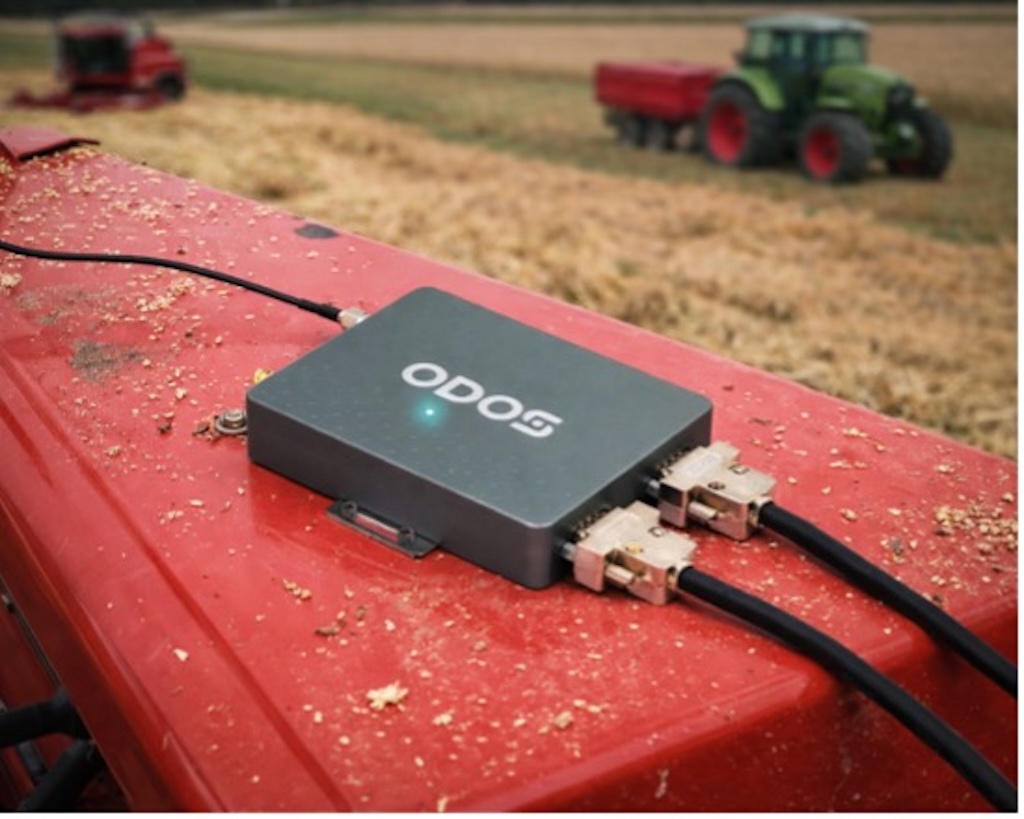
KUHN selected ODOS to provide a connected data platform designed for continuous field operation. The system links machines directly to a cloud-based environment, allowing engineering teams to access operational data as it is generated. Within the first week of deployment, remote access to live machine data had already removed the need for one costly test trip.
This type of connected architecture changes the role of data in development. Instead of engineers managing files, downloads and post-processing, information flows continuously from machine operation into diagnostic, validation and performance workflows. Secure pipelines, encrypted communication and controlled access also support collaboration between distributed teams and suppliers.
For agricultural OEMs, the value lies in faster feedback loops. Engineers can identify issues as they occur, validate changes earlier and make decisions based on current machine behaviour rather than delayed reports. The result is a more responsive development process, better suited to complex machines and compressed testing schedules.
As machinery becomes more software-led and data-intensive, the gap between data capture and decision-making will define the next stage of engineering productivity. In agriculture, where conditions are unpredictable and access is often limited, real-time connected data is moving from a useful tool to a development requirement.
Related news:


